
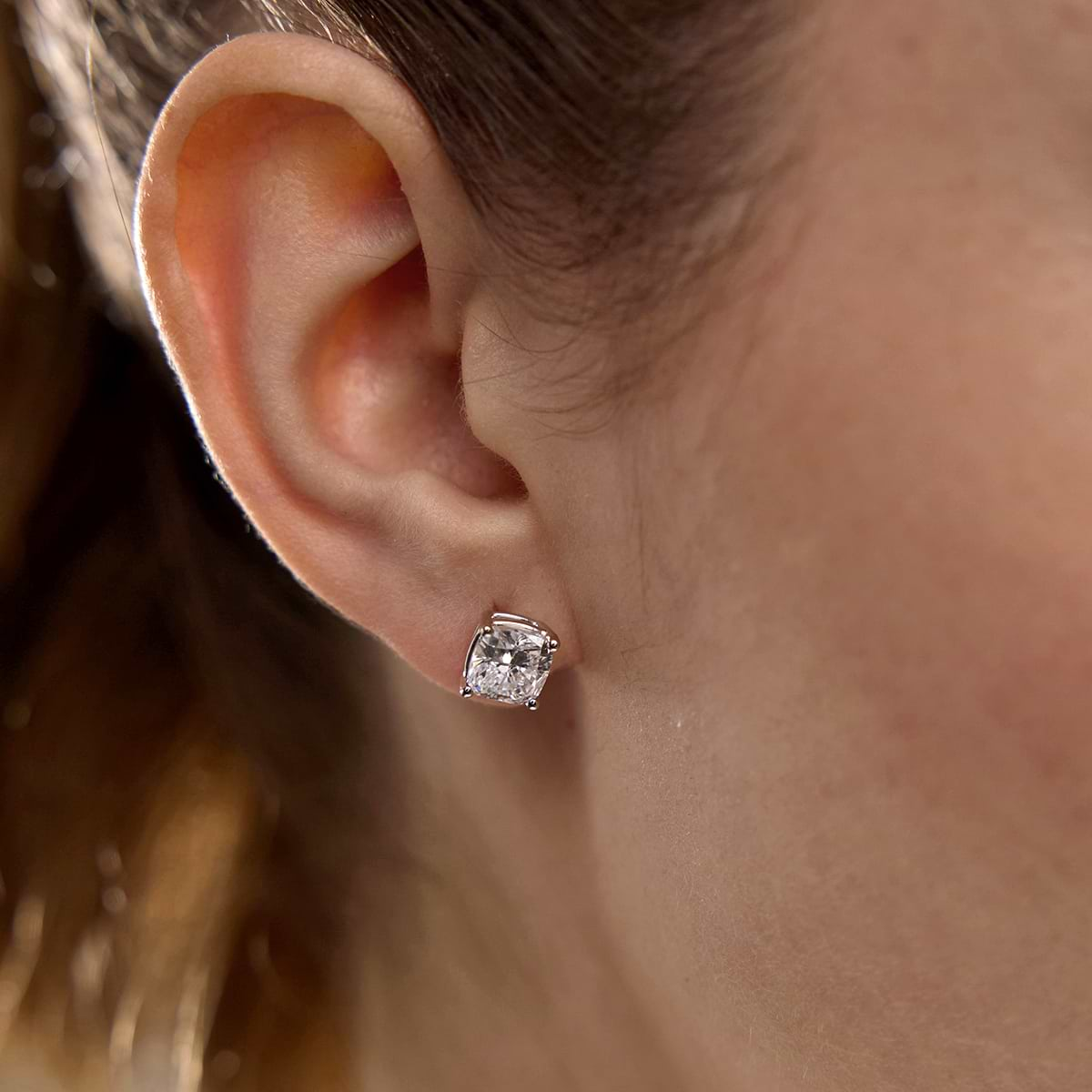
Ever noticed how jewellery trends sneak up on you? One day everyone’s wearing plain gold bands. The next, you’re seeing sparkling dress rings lab diamonds all over Instagram. To be fair, it makes sense. They look incredible, they’re modern, and—let’s be honest—they don’t come with the baggage that mined diamonds often do.
A Little Backstory (and a touch of reality)
Think about it: when was the last time a piece of jewellery actually told a story? Maybe it was your grandmother’s wedding ring. Or that necklace you bought on holiday and swore you’d never take off. Jewellery isn’t just about sparkle—it’s about meaning.
That’s where lab created diamonds sneak into the conversation. They’re not just some “second choice.” They’re real diamonds, grown differently. Science instead of mining. And honestly, that story is pretty fascinating. Imagine something that looks and feels identical to a mined stone, but comes with way less drama. No muddy mines. No complicated history. Just brilliance—straight from a lab.
And people are starting to get it.
Why Dress Rings Are Having a Moment
Here’s the thing about jewellery—it’s not always about weddings and engagements. Sometimes, you just want a ring that makes you feel bold. Confident. Maybe even a little extra. That’s where dress rings come in.
Some trends I’ve seen lately:
Chunky solitaire vibes – one big lab diamond that steals the show.
Stackable bands – thin rings with smaller stones, layered up.
Color play – pairing lab diamonds with sapphires or emeralds.
Vintage inspo – rings that look like they’re straight from the 1920s.
To be fair, there’s no “wrong” way to wear them. Dress rings are about personality. That moment when someone asks, “Wow, where did you get that?” and you grin, because it feels so you.
The Local Angle
Here’s a funny thing: depending on where you live, the way people talk about jewellery changes. In New York, it’s all about size. In London, people lean classic and understated. But in a lot of cities now, especially the more style-forward ones, lab created diamonds are slipping into everyday conversation.
Why? People are practical. And a little bit savvy. They want something that looks incredible, feels meaningful, but doesn’t empty the bank account. Plus, the eco-conscious angle doesn’t hurt. It’s nice to know your sparkle didn’t come with a side of guilt.
Honestly, the shift reminds me of how people talk about electric cars. Ten years ago, they felt experimental. Now? Totally normal. That’s exactly where lab diamonds are heading.
How It Actually Works
So, how do these diamonds get made? Without going full science lecture, here’s the gist:
Seed it – a tiny sliver of diamond (called a seed) starts the process.
Grow it – the seed is placed in a chamber that mimics the Earth’s natural diamond-making conditions: crazy heat, insane pressure, or a chemical vapor process.
Wait (but not too long) – instead of millions of years underground, the diamond grows in weeks. Yes, weeks.
Cut + polish – the stone gets shaped just like any other diamond.
Set into jewellery – voilà, your lab diamond dress ring is ready.
The cool part? They’re chemically identical to mined diamonds. If you put them side by side, you’d never know the difference. The only thing that changes is the backstory.
Wrapping It Up
At the end of the day, dress rings lab diamonds aren’t just about sparkle. They’re about a mindset shift. A little rebellion against the “rules” of traditional jewellery. A way of saying: I want beauty, but I also want sense.
And maybe that’s why they’re catching on so fast. Because jewellery isn’t just about weddings or status anymore. It’s about personal stories, small flexes, and, sometimes, just feeling a little extra fabulous on a Tuesday afternoon.
So if you’ve been on the fence? Try one. You might be surprised how quickly a lab created diamond dress ring becomes your favorite piece—the one you keep slipping on, even when you’re just heading out for coffee.